
Stories
“Women’s political participation must be meaningful” – Attorney-at-law Lasanthi Daskon
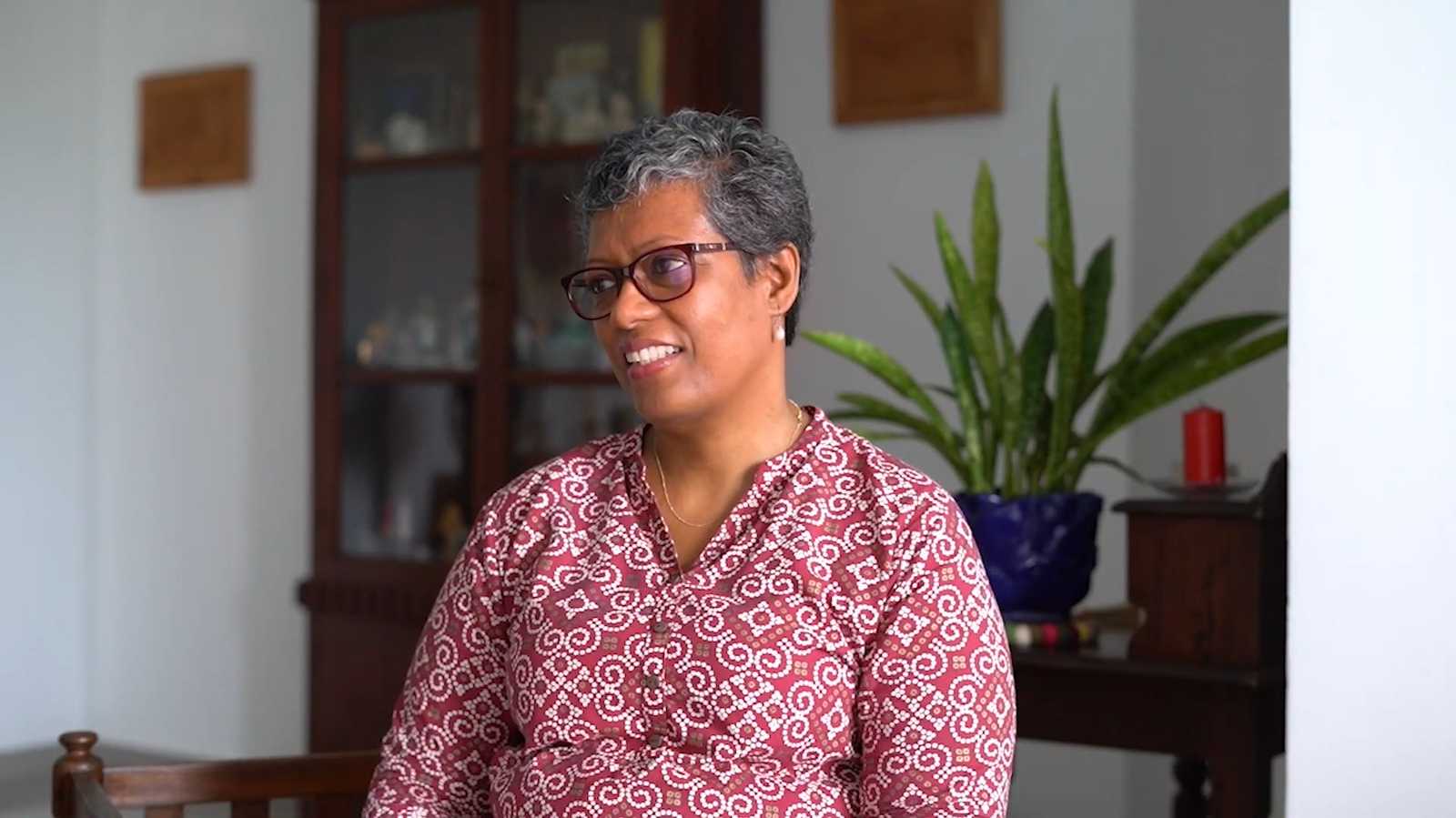
Women’s participation in Sri Lankan politics has improved greatly over the past few decades, but representation must be meaningful, Partnerships for Integrity strategic advisor attorney-at-law Lasanthi Daskon said in conversation with Development Media Network (DMN).
She explained that while improvements in women’s participation can be observed in the last 30-40 years, there’s still more to do. “What usually happens is that when someone takes a step forward, there’s buzz around it. This is very good. It’s crucial, as this is what draws even more women and educates and encourages young girls,” she said.
And yet, creating buzz alone isn’t sufficient. While celebrating these wins, we must also question whether the required facilities have been provided and a conducive environment created. Are we removing the obstacles faced by women, especially when entering politics?
Women’s participation in politics
Daskon was of the belief that women are very interested in entering the field of politics and said that even in rural communities, women are active in politics. And yet, she pointed out, their role is often limited to making tea or preparing food and doesn’t extend to roles of leadership and positions of power.
An argument can be made about female representation in Parliament, given that we are seeing the highest rate in history, with 22 female Members of Parliament (MPs). However, Daskon made a counterpoint. “If we look at the data, these women represent only two of the main political parties and, of them, 20 are from the party currently in power,” she said.
Further, of the 20 Government MPs, only two are Ministers and only one is a Deputy Minister.
Daskon added: “In addition to this, with the Local Authorities Elections (Amendment) Act No. 16 of 2017, a 25% quota of female representation was enforced. Following this, female representation in local government increased. However, we need to think about if this representation is actually meaningful representation.”
Daskon emphasised that representation should not be nominal and should extend to representation in decision-making positions.
Barriers to representation
There are many factors that challenge meaningful representation. One, Daskon said, was that female leadership in political parties was still very low, with very few women holding important roles within the parties and their various committees.
Society also poses a huge barrier to women entering politics. Daskon explained that when a woman shows interest in joining politics, their family and friends are likely to discourage them, saying it isn’t a suitable field for women.
However, even when a woman overcomes these challenges and assumes a position of power, instead of commenting on their political capabilities or leadership qualities, society tends to focus their comments on their attire, behaviour, speech, sexuality, or marital status. The media, whether legacy or digital, contributes to this.
The burden of unpaid care is another barrier, as it is often shouldered by women. This can have a physical and emotional toll on women, while also preventing them from furthering their education, pursuing professional goals, or being recognised as contributors to the economy.
While men tend to not take the responsibility of unpaid care work, Sri Lanka also doesn’t have a culture of shared responsibility. “There must be a fear that those traditional family structures will collapse if women come forward – because men don’t take that responsibility, they are scared to and they don’t like to,” Daskon said, adding that a change of mindset was needed as was the acceptance of women as equals, as having rights.
“It’s a social issue, so regardless of how many laws we formulate, if society doesn’t change, those laws won’t be enforced. If society’s mindset is that it is the woman who must bear the burden of the family, that a woman’s place is in the kitchen, that childcare is solely the responsibility of the woman, or that a woman can’t do certain things, including in politics, that there is the issue,” Daskon said.
Why representation matters
In a country where 52% of the population is female, low female representation in politics translates to decisions being made about women and the country as a whole without adequate space given to women’s voices.
Explaining why representation was important, Daskon cited a slogan used in disability advocacy: nothing about us without us. This highlights the importance of active participation and engagement especially when building an inclusive society.
“We have lived experience, so it is women who know what is needed by women, but also children, families, and society,” Daskon pointed out. She explained that women have ideas and opinions on these matters and as citizens of the country, should be given the opportunity to present these ideas and have them taken into consideration.
Youth female representation is also important, as is the inclusion of disabled women, which is especially crucial in formulating inclusive policy.
Towards inclusive politics
According to Daskon, while strides have been made in the right direction, there is more to do, whether at an individual or an institutional level. Sri Lanka, she said, was proud of electing the world’s first female prime minister, of having had a female president, of currently having a female prime minister.
However, these efforts need to be further built on and strengthened and can include leadership training for women, learning opportunities, especially on the workings of political structures and media preparedness, and the support needed for women to assume roles of leadership.
“At a village level, women do take leadership. But to convert this leadership into political leadership, you need to connect with political parties. You need to establish your position in a party,” she said, adding that one must be vocal, connecting with male allies, talking about related laws, and fighting to establish female representation and leadership within the party structure.
Such measures can pave the way for better female representation in politics in Sri Lanka, with Daskon adding: “And within society as well, both men and women must change their mindset and attitudes to create a society that is ready for female leadership.”