
Stories
Why Disaster-Related Language Matters
Language plays a powerful role in how we understand disasters, communicate risk, and encourage action. The words used by governments, media organisations, disaster management professionals, and communities can influence how people perceive hazards and their potential impacts.
In recent years, the disaster risk reduction community has increasingly emphasised the importance of using accurate terminology when discussing disasters. This shift is not about changing words for the sake of it. It is about improving understanding and supporting more effective approaches to reducing risk.
Understanding the difference between hazards and disasters
One of the most common misunderstandings in disaster-related communication is the tendency to use the terms hazard and disaster interchangeably.
According to the United Nations Office for Disaster Risk Reduction (UNDRR), a hazard is a process, phenomenon, or human activity that may cause loss of life, injury, property damage, social and economic disruption, or environmental degradation. Hazards can be natural, technological, or biological in origin.
A disaster, however, is not the hazard itself. UNDRR defines a disaster as a serious disruption to the functioning of a community or society resulting from hazardous events interacting with conditions of exposure, vulnerability, and capacity. These interactions lead to human, material, economic, and environmental losses and impacts.
In simple terms, a hazard becomes a disaster when it affects people and communities that are exposed and vulnerable to its impacts.
Why the term natural disaster is being reconsidered
The phrase natural disaster has been widely used for decades. However, UNDRR’s #NoNaturalDisasters campaign encourages a more accurate understanding of disasters and their causes.
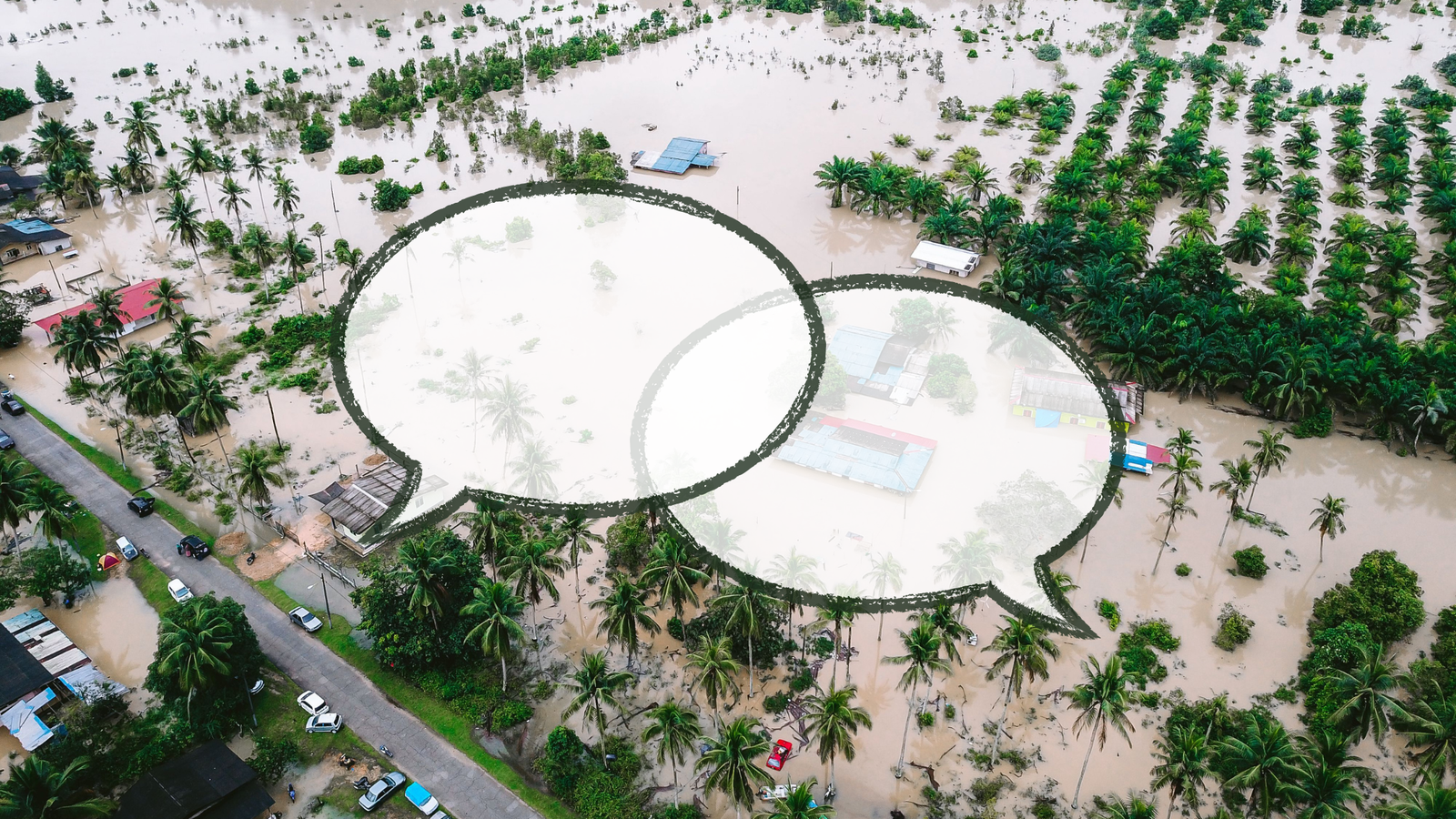
While hazards such as earthquakes, cyclones, floods, and droughts may be natural phenomena, the resulting disaster is often shaped by human factors. The severity of a disaster can depend on where people live, the quality of infrastructure, access to resources, preparedness measures, environmental management practices, and the ability of communities to respond and recover.
Using the term natural disaster can unintentionally suggest that disasters are unavoidable consequences of nature alone. In reality, many disaster impacts can be reduced through effective risk reduction measures and informed decision-making.
This is why disaster risk reduction professionals increasingly focus on the phrase natural hazard rather than natural disaster.
The concepts of vulnerability and exposure
Two key concepts in disaster risk reduction are vulnerability and exposure.
Exposure refers to people, infrastructure, housing, livelihoods, and other assets located in areas that could be adversely affected by hazards.
Vulnerability refers to the conditions that make individuals, communities, or systems more susceptible to the impacts of hazards. These conditions may include economic challenges, inadequate housing, limited access to services, environmental degradation, or social inequalities.
A community may experience the same hazard as another, yet suffer significantly greater impacts because of higher levels of vulnerability and exposure. Understanding these factors helps explain why disasters affect different communities in different ways.
How language shapes risk awareness
The language used in disaster communication influences how people perceive risk and responsibility.
When communication focuses only on the hazard itself, it can overlook the underlying factors that contribute to disaster risk. Accurate terminology helps draw attention to the broader picture, including preparedness, resilience, vulnerability, and exposure.
By using precise language, disaster management professionals can promote greater public understanding of risk and encourage proactive measures before disasters occur.
Clear communication also supports informed decision-making by helping communities understand not only what hazards they face, but why those hazards may have different impacts across different locations and populations.
Supporting a culture of disaster risk reduction
Disaster risk reduction is based on the understanding that while hazards cannot always be prevented, their impacts can often be reduced.
Effective disaster communication contributes to this goal by encouraging awareness, preparedness, and resilience. When terminology reflects the true nature of disaster risk, it reinforces the idea that actions taken before a hazardous event can make a significant difference.
Whether through land-use planning, resilient infrastructure, early warning systems, public education, or community preparedness initiatives, reducing vulnerability and exposure remains central to building safer communities.
The language used to discuss disasters should support these efforts by accurately reflecting the relationship between hazards, vulnerability, exposure, and risk.
Towards a more informed society
Words matter in disaster management. The terminology used to describe hazards, disasters, vulnerability, exposure, and risk influences how people understand these concepts and how they respond to them.
By using accurate disaster-related language, we can improve public understanding, strengthen risk communication, and support a more proactive approach to disaster risk reduction.
As the global disaster risk reduction community continues to promote the message of #NoNaturalDisasters, it reminds us of an important principle: while natural hazards may be inevitable, disasters are not. The impacts of hazards are shaped by human decisions, levels of preparedness, and the resilience of communities.
Using the right language is an important step toward building a safer and more informed society.