
Stories
Saving lives and guiding communities through disasters
The media plays a crucial role during disasters. In any crisis, such as floods, cyclones, and landslides, the media’s responsibility goes beyond reporting. By sharing information, it acts as an instructor, a connector, and sometimes a first responder.
With the help of international guidelines and Sri Lankan examples, the media’s roles during various stages of a crisis are broken down in an organised manner below.
Early Warnings
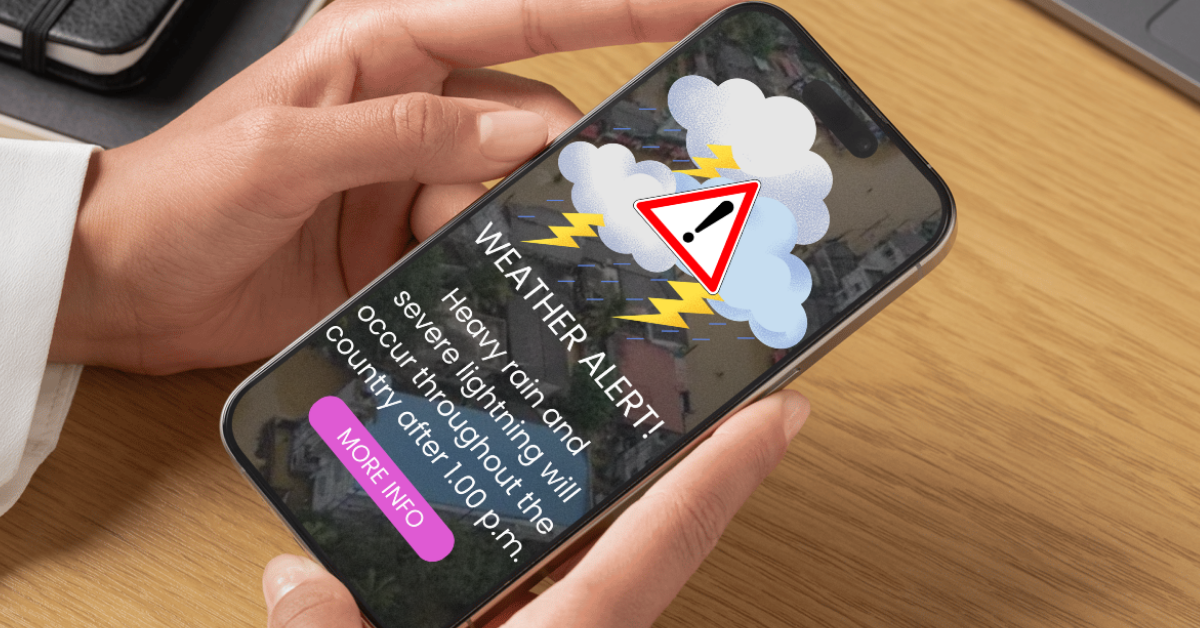
The media’s ability to swiftly and frequently give early warnings is one of its greatest accomplishments. Digital platforms, radio, SMS alerts, and television guarantee that messages are seen by as many people as possible. Newsrooms are a vital component of the official early warning systems used by disaster management organizations in many nations.
Before they become popular on social media, early alerts about the possibility of landslides, rising water levels, or cyclones developing in the Bay of Bengal are frequently disseminated through radio and television broadcasts in Sri Lanka. People across the country are certain to receive the same message thanks to its repetition across different media outlets.
However, clear, consistent, and confirmed information is necessary for early warnings to be successful. Confusion and panic are reduced when media organizations collaborate with disaster management officials.
Lifesaving Updates
The media takes on an operational role during a disaster. Road closures, shelter places, emergency numbers, and medical access are all urgent updates that people require. Many communities relied on radio updates to know where boats were being transported and where to escape during the floods in Sri Lanka in 2016 and 2017. Radio became the only means of communication between families and the government in places where mobile networks were unavailable.
The media serves as a conduit for information for rescue teams as well. Affected people frequently contact humanitarian organizations more quickly than official reports are issued, as they call radio stations or leave comments on live social media feeds pleading for assistance.
It is now acknowledged that this two-way community to media to authorities route is an effective catastrophe communication technique.
Fighting Misinformation
The distribution of false information is a significant problem during emergencies. Panic and resource diversion might result from false warnings, inflated claims, altered films, or fake fundraising drives.
For instance, during Cyclone Ditwah in 2025, a number of unconfirmed reports surfaced online asserting that specific dams had burst. The public was calmed, and attention was diverted to official directives by news organizations that promptly confirmed and refuted these rumors.
Verification teams are kept up to date by responsible media organizations, which also crosscheck with authorities and properly mark validated content. Sensationalized reporting, on the other hand, could lead to chaos and distrust.
By enabling people to make safe decisions rather than reacting out of fear, accurate information strengthens community resilience.
Highlighting Needs
Additionally, the media highlights communities that might otherwise go unnoticed. Not everyone is equally impacted by disasters; low-income communities, rural villages, and informal settlements frequently sustain the most damage.
Local media were among the first to draw attention to the fact that rescue workers had been absent from certain isolated communities in Kalutara and Ratnapura for hours during the May 2017 landslides. Authorities were forced by their reporting to prioritize such areas and reallocate resources.
This demonstrates how the media may serve as a watchdog to ensure that help is distributed fairly. The media guarantees that assistance is both prompt and fair by raising the voices of those impacted.
Ethical Reporting
Sensitivity is needed when covering disasters. People may be relocated, grieving, or traumatized. Further harm may result from filming them without their permission or disclosing personal information.
According to ethical norms,
- Steer clear of explicit graphics unless absolutely required
- Safeguard survivors’ privacy
- Put safety information ahead of eye-catching images
- Ensure that interviews are courteous and voluntary
Media outlets in Sri Lanka have been criticized for prioritizing sensational images above delicate reporting during previous disasters. Public discussions regarding trauma-informed journalism and more conscientious newsroom procedures have resulted from this.
Supporting Recovery
The media’s engagement doesn’t stop when the winds stop or the floodwaters subside. The media monitors the lengthy process of recovery by posing crucial concerns:
- Are relief funds being utilized appropriately?
- Are makeshift shelters sufficient and safe?
- Are families who have been displaced getting assistance?
- Do reconstruction projects adhere to standards?
Extensive investigative reporting in Sri Lanka following the 2004 tsunami helped guarantee that promised relief reached impacted communities and revealed irregularities in housing projects. Transparency and long-term disaster preparedness are strengthened by this monitoring function.
Inspirational tales, such as volunteers assisting rescue crews, towns supporting one another, or regional innovations enhancing readiness, can also be featured in the media. Positive storytelling promotes harmony and boosts morale.
During disasters, the media is an active player rather than a passive observer. The media influences how well communities react and recover, from early warnings to real-time updates, from debunking false information to guaranteeing accountability.
Strong disaster communication saves lives, as demonstrated by Sri Lanka’s experiences with the 2004 tsunami, floods, landslides, and Cyclone Ditwah. Investing in ethical, responsible, and community-focused reporting makes the country more resilient and guarantees that people will have the knowledge they need to stay safe in the event of another disaster.