

Stories
Reporting disasters
The media acts as the fourth estate in a democratic society like Sri Lanka, with transparency, impartiality, independence, accountability, and accuracy considered the main pillars of integrous journalism. While it is crucial to strictly adhere to media guidelines, there are a number of specific circumstances where following journalism and media guidelines not only becomes crucial but also critical.
Election reporting, natural disaster reporting, racial or ethnic conflict reporting, war reporting, and international relations (IR) and diplomatic reporting are some instances where reporting becomes extremely impactful and pre-defining. The behaviour of the media in these specific circumstances can influence the outcomes in more subtle yet serious and lasting ways.
Although it could be argued that the role of mainstream or traditional journalism in shaping public opinion becomes less day by day with the rise of social media, there is absolutely no space to violate and cross the lines of ethical frameworks since accountability and accuracy remain the building blocks of any type of journalism regardless of the climate.
Pre-disaster reporting
When reporting and engaging in journalism activities related to an ongoing disaster, priority should always be given to public safety. This is why pre-disaster reporting becomes as crucial as post-disaster reporting.
Timeliness and accuracy of pre-disaster information dissemination is literally lifesaving as we all know. When it comes to pre-disaster media management, informing the public factually of the upcoming condition helps people comprehend the scale and nature of the expected situation and help them be prepared.
When implementing pre-disaster awareness sessions for the public, the media has to make sure to collaborate with relevant official authorities who possess the right knowledge, utilise the latest technologies, and access reliable sources to make informed decisions based on the most accurate predictions.
Another important aspect of media in pre-disaster handling is to be accessible, convenient, and prepared for dissemination at their earliest upon the reception of the information from the authorities, such as in communicating emergency alerts and safety instructions. Although we live in an age where information circulation is highly dominated by social media, the majority of the public, especially older generations, tends to rely on mainstream media in critical situations like natural disasters due to the comparatively high accountability, reliability, and trustworthiness. This is especially true in regions where public media literacy, accessibility, and engagement are limited.
Further, when disseminating information, mainstream media has to make sure to use fewer technical terms and unnecessarily complex language in order to ensure that all levels of the social hierarchy are informed of the situation alike. Although it is highly important to keep the public informed and instructed of the expected situation, it is also important to avert from unnecessarily scaring the public with extreme information.
During a crisis
Moving on to the next phase, which is media management amidst a crisis, it is pivotal to be accessible in bridging the authorities and emergency responders and the public. This can be achieved by working on establishing disaster lifelines and coordinating rescue and relief operations. Further, acting as a means of encouragement and resilience for the public is also an important role of media in uncertain situations like this.
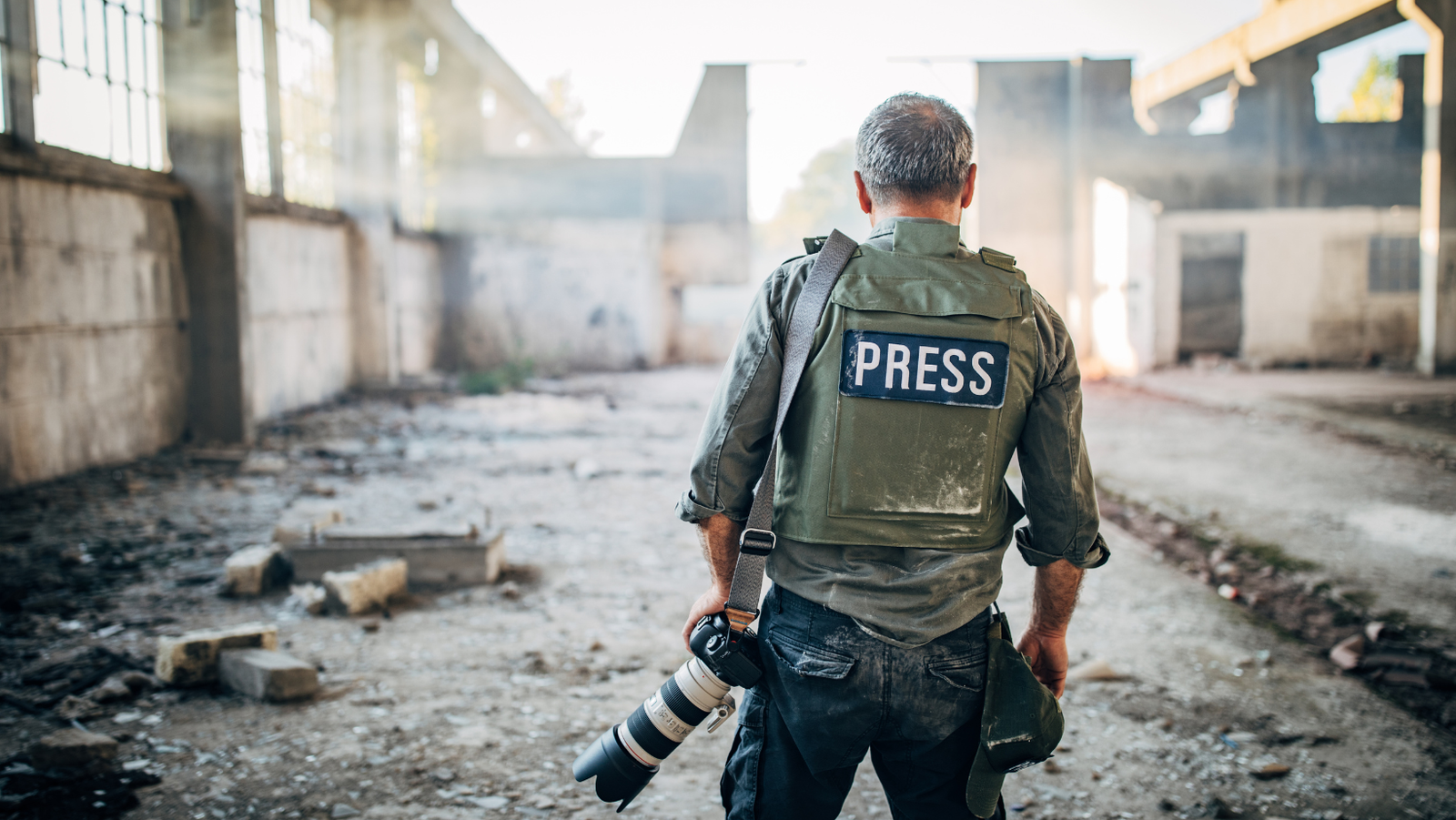
Disseminating correct information while trying to preserve the mental health of the audience, whether they are directly affected by the situation or not, is of immense importance. Additionally, ensuring the safety of the journalists engaging in reporting missions is vital. This is the responsibility of media houses and the authorities.
Last but not least, diverting public attention from the spreading of misinformation and malinformation, especially on digital platforms like social media, and debunking already circulated false information should also be prioritised by the mainstream media during a crisis period.
Post-disaster reporting
Moving on to the final stage, post-disaster media management, there are several ethical codes of conduct and guidelines that should be followed by the mainstream media to ensure efficacy and efficiency.
First and foremost, it is pivotal to rely on reliable sources when reporting information. Focusing on individually verifiable sources and using primary sources as much as possible such as official government news outlets rather than solely relying on secondary sources are effective ways to disseminate timely and accurate information. When reporting numbers and quantitative data, it is crucial to opt for government official data portals to prevent the spreading of misinformation and malinformation.
Further, when reporting on individual cases, the media has to make sure that the identities and privacy of the sources are protected and secured while uncovering and revealing their experiences for the better. When conducting interviews, victims should be addressed in terms of their emotional conditions so as not to cause or aggravate trauma. Dispersing explicit media such as video clips and images should be avoided at any cost in order to respect the privacy of the victims and survivors.
Focusing on the information that the public needs to know rather than cluttering the outlets by trying to cover unnecessary and unrelated information in order to gain public attention should also be avoided.
Needless to say, maintaining and fulfilling all of the abovementioned criteria while covering all aspects of a massive crisis is extremely challenging. However, preserving integrity and adhering to ethical reporting are as crucial as dispersing timely and real-time information. Thus, it is the responsibility of the media to guide the public in the right direction while empowering communities and building resilience.