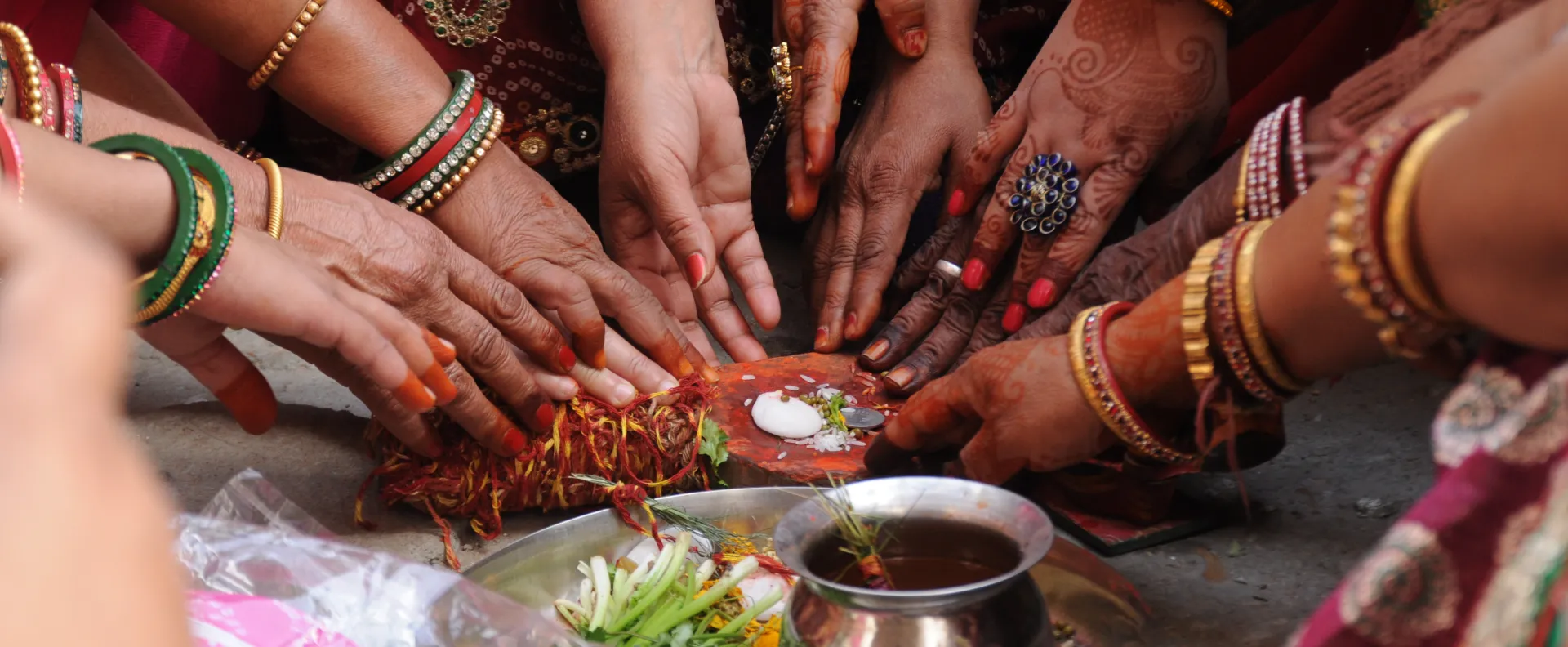
World Day for Cultural Diversity for Dialogue and Development, celebrated on 21 May, highlights the importance of cultural diversity in encouraging dialogue, strengthening communities, and supporting sustainable development. Recognised by the United Nations (UN), the day also draws attention to the growing influence of the cultural and creative sector on economies, communication, and society around the world.
In today’s global and digitally connected environment, culture plays a major role in shaping how people communicate, create, and connect. From media and entertainment to branding, design, and digital storytelling, cultural perspectives continue to influence the way information is shared and understood.
The role of cultural diversity
According to the UN, cultural diversity is a key driver of dialogue, innovation, and social development. Different cultures, languages, traditions, and perspectives contribute to stronger communities while encouraging greater understanding between people.
As communication becomes increasingly global, cultural awareness has become more important than ever. Audiences engage with content through their own experiences, values, and social contexts, making diversity an essential part of effective communication.
Today, communication extends beyond simply delivering information. It also involves understanding the people, communities, and cultural experiences behind every story and interaction.
The creative economy and communication
The UN highlights that the cultural and creative sector supports more than 48 million jobs globally, contributes 6.2% of global employment, and accounts for 3.1% of global GDP.
The sector also creates major opportunities for young people and women, making it one of the fastest-growing and most influential parts of the global economy.
Communication, media, storytelling, branding, digital content creation, and public engagement all form part of a wider creative ecosystem that continues to expand across industries and platforms. As digital spaces evolve, creative industries are playing an increasingly important role in shaping culture, public conversation, and audience engagement.
Storytelling and cultural connection
Culture strongly influences how stories are told and how audiences respond to them. Across evolving creative industries, communication increasingly relies on building authentic, meaningful, and culturally aware connections with diverse audiences.
Storytelling has become an important tool for organisations, brands, and communities to communicate ideas in ways that feel relevant, engaging, and relatable.
This involves more than creating impactful messaging. It also requires understanding the values, experiences, and perspectives that influence how communication is interpreted across different audiences and communities.
Communication as part of the cultural ecosystem
The UN continues to emphasise the importance of protecting and promoting cultural diversity across societies.
For communication-focused industries, this highlights the responsibility of ensuring that stories, ideas, and creative work contribute positively to dialogue, representation, and understanding.
Communication and storytelling are increasingly viewed as part of a larger cultural ecosystem that shapes how culture is expressed, preserved, and shared in modern society. Through media, digital platforms, and creative content, communication continues to influence how communities connect and how cultural identities are represented globally.
Looking ahead
As digital communication continues to evolve, culture will remain central to how people engage with information and connect with one another.
World Day for Cultural Diversity for Dialogue and Development serves as a reminder that creativity and communication are deeply connected to culture, identity, and community.
In an increasingly connected world, communication that is inclusive, thoughtful, and culturally aware will continue to play an important role in shaping dialogue, collaboration, and shared understanding across societies.