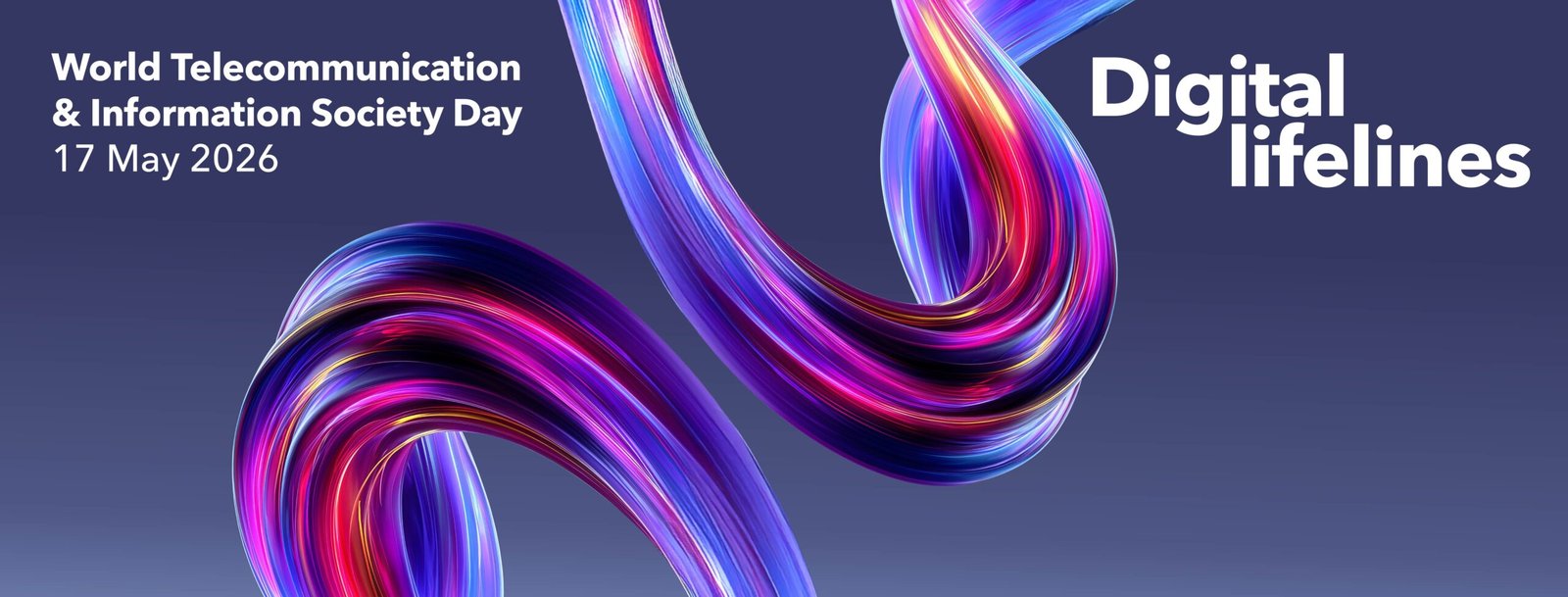
As communication continues to shape how people, businesses, and governments operate, the systems supporting that communication have become just as important as the message itself. The 2026 World Telecommunication and Information Society Day, marked on 17 May, theme focuses on digital resilience and communication lifelines, highlighting the growing importance of systems that can continue operating during disruptions and recover quickly when challenges arise.
In today’s digital environment, communication is no longer limited to traditional media. Information is shared instantly through websites, social media platforms, cloud systems, messaging applications, and digital networks that connect millions of people globally. As reliance on these systems increases, ensuring their stability and reliability has become essential.
Communication in everyday life
According to the International Telecommunication Union, the 2026 theme centres on the importance of resilient digital infrastructure and dependable communication systems in modern society.
Today, communication influences nearly every aspect of daily life. Businesses rely on digital platforms to manage operations and engage with customers, governments use communication networks to deliver public information and services, and communities depend on online spaces to stay connected and informed.
From education and healthcare to banking and entertainment, digital communication systems now support services people interact with every day. This increasing dependence highlights the need for systems that remain accessible and functional even during periods of disruption.
The importance of resilient systems
While advancements in technology have made communication faster and more accessible, they also rely heavily on infrastructure that must remain stable under pressure.
Power outages, cyber threats, technical failures, natural disasters, or damaged infrastructure can disrupt communication channels and limit access to critical information. In situations where timely communication is essential, resilience becomes a major priority.
This is especially relevant in rapidly growing digital economies, where businesses, organisations, and institutions increasingly depend on uninterrupted online communication across multiple platforms and devices.
More than just messaging
Effective communication is no longer only about creating strong messages. It also involves understanding how those messages are delivered, distributed, and accessed by audiences.
Modern communication strategies must consider platform reliability, accessibility, consistency, and audience behaviour across digital channels. A message can only create impact if audiences are able to receive it clearly and without interruption.
As digital platforms continue to evolve, organisations are placing greater focus on building communication systems that are adaptable, responsive, and capable of maintaining engagement even during unexpected challenges.
Digital resilience and public communication
The International Telecommunication Union emphasises the importance of systems that can continue functioning during disruptions while recovering quickly from technical or operational challenges.
Digital resilience plays a major role in maintaining public trust and ensuring reliable access to information. During emergencies or periods of uncertainty, communication systems become essential tools for public awareness, coordination, and connection.
For organisations and institutions, this means strengthening digital infrastructure, diversifying communication channels, and ensuring information remains visible and accessible across platforms.
Looking ahead
As communities, industries, and governments continue to rely on digital communication, resilience will remain a key part of how information is shared and received.
The World Telecommunication and Information Society Day 2026 theme serves as a reminder that communication is not only about content, but also about the systems, networks, and infrastructure that keep people connected.
In an increasingly connected world, building communication strategies that are reliable, adaptable, accessible, and sustainable will continue to shape how societies communicate and respond to future challenges.